-RGB-small.1707319151.jpg)
What To Do If You Find Mould On Your Ceiling
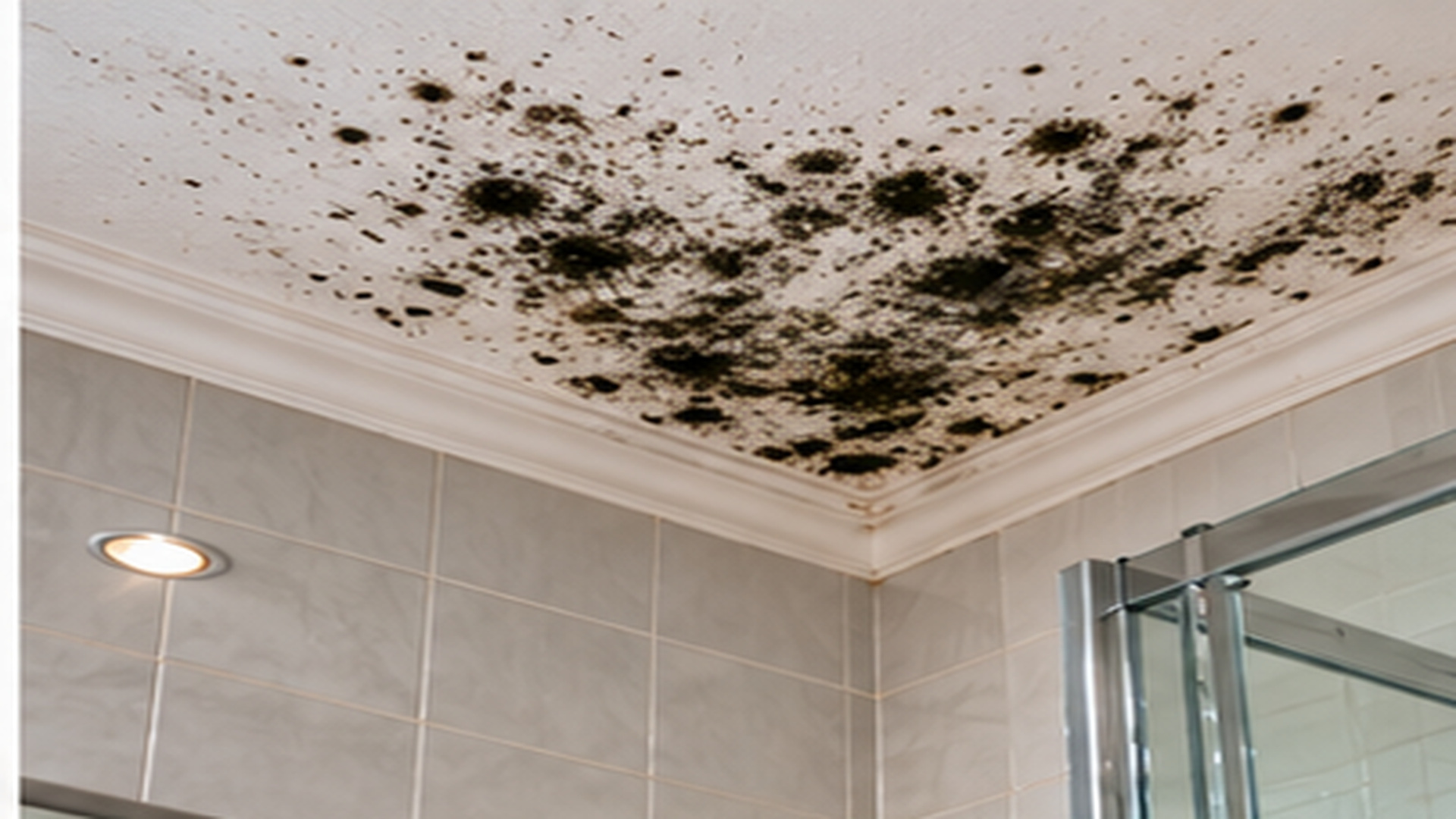
Mould on a ceiling is a common problem, and it can look alarming. Dark spots, grey patches or a damp-looking stain are all signs that moisture has got into your home. The mould itself is only part of the issue. To stop it coming back, you need to find out where the water is coming from.
Why does mould grow on ceilings?
Mould needs moisture, warmth and something to feed on. A ceiling gives it all three. The most common causes are:
- Condensation. Warm, damp air rises and meets the cold ceiling. This is common in bathrooms, kitchens and bedrooms. Our guide to condensation and mould explains how it forms.
- Poor ventilation. Steam from showers, cooking and drying washing has nowhere to go.
- A leak from above. A damaged roof, a leaking pipe or a leaking bath upstairs can soak a ceiling from the other side.
- Cold spots. Poor insulation makes parts of the ceiling colder, so moisture settles there.
If the mould is in a bedroom, read our guide to the causes of mould on a bedroom ceiling. If it is in the loft or roof space, see what causes mould in the loft.
Step 1: Check for a leak
Look at the ceiling closely. If the stain is brown or yellow, the plaster feels wet, the paint is bubbling, or the ceiling is sagging, you may have a leak. A sagging ceiling can fall down. Keep clear of it, do not poke it, and get a professional to look at it straight away.
Step 2: Clean small patches safely
If the patch is small and the ceiling is dry and firm, you can clean it yourself.
- Open a window and keep the door to other rooms shut.
- Wear gloves, goggles and a face mask.
- Do not dry-brush or scrape the mould. This sends spores into the air.
- Wipe the area with a damp cloth and a mild detergent or a mould remover made for the job.
- Dry the ceiling well with a clean cloth.
- Put the cloth in a bag and bin it. Wash your hands.
Many people reach for bleach, but it often does not work well on porous surfaces like plaster. Read does bleach make mould worse? and what kills mould on walls before you start.
Step 3: Fix the cause
If you do not fix the moisture, the mould will return. Here is what helps:
- Use the extractor fan when you shower or cook, and leave it on for 15 to 20 minutes afterwards.
- Keep the bathroom door shut while you shower and open a window.
- Dry washing outdoors where you can. If not, use a dehumidifier.
- Keep furniture a few centimetres from outside walls so air can move.
- Ask a plumber or roofer to fix any leaks.
Once the ceiling is fully dry, you can use a stain-blocking, anti-mould paint to finish.
When to call a specialist
Call a professional if:
- the mould covers a large area
- it keeps coming back after cleaning
- the ceiling is wet, stained or sagging
- someone in the home has asthma, allergies or a weak immune system
- you rent and need a proper record of the problem
Our team starts with a damp and mould survey to find the cause. We then carry out mould remediation to remove the mould safely, and we advise how to stop it returning. We can also help with ceiling cleaning where the surface needs a deeper clean.
Worried about mould in your home?
ICE Cleaning works across the UK, day and night, 365 days a year. Call us on 0208 066 0360 or email contactus@icecleaning.co.uk to book an assessment or ask a question.

Speak with me today,
I’m here to help
By asking you a few questions either via phone or email I can immediately provide a realistic estimation of the cost.

Why choose us?
- Cater to a wide variety of cleaning situations
- Nationwide coverage, available 24/7
- Cater to commercial and domestic clients
- Free survey provided prior to quotation
- Emergency response team
- Offer a bespoke service designed to suit all your needs
- All technicians hold professional health and safety qualifications, including BICSc, IOSH, Dewpoint Professional & Safe Contractor
We’re fully accredited
We place best practise, professional expertise and health and safety at the core of our business. We’re fully compliant with all legal obligations. You can view a list of our accreditations below, or visit our Health & Safety page for more information.