Fire Risks Of Using Portable Heaters At Home
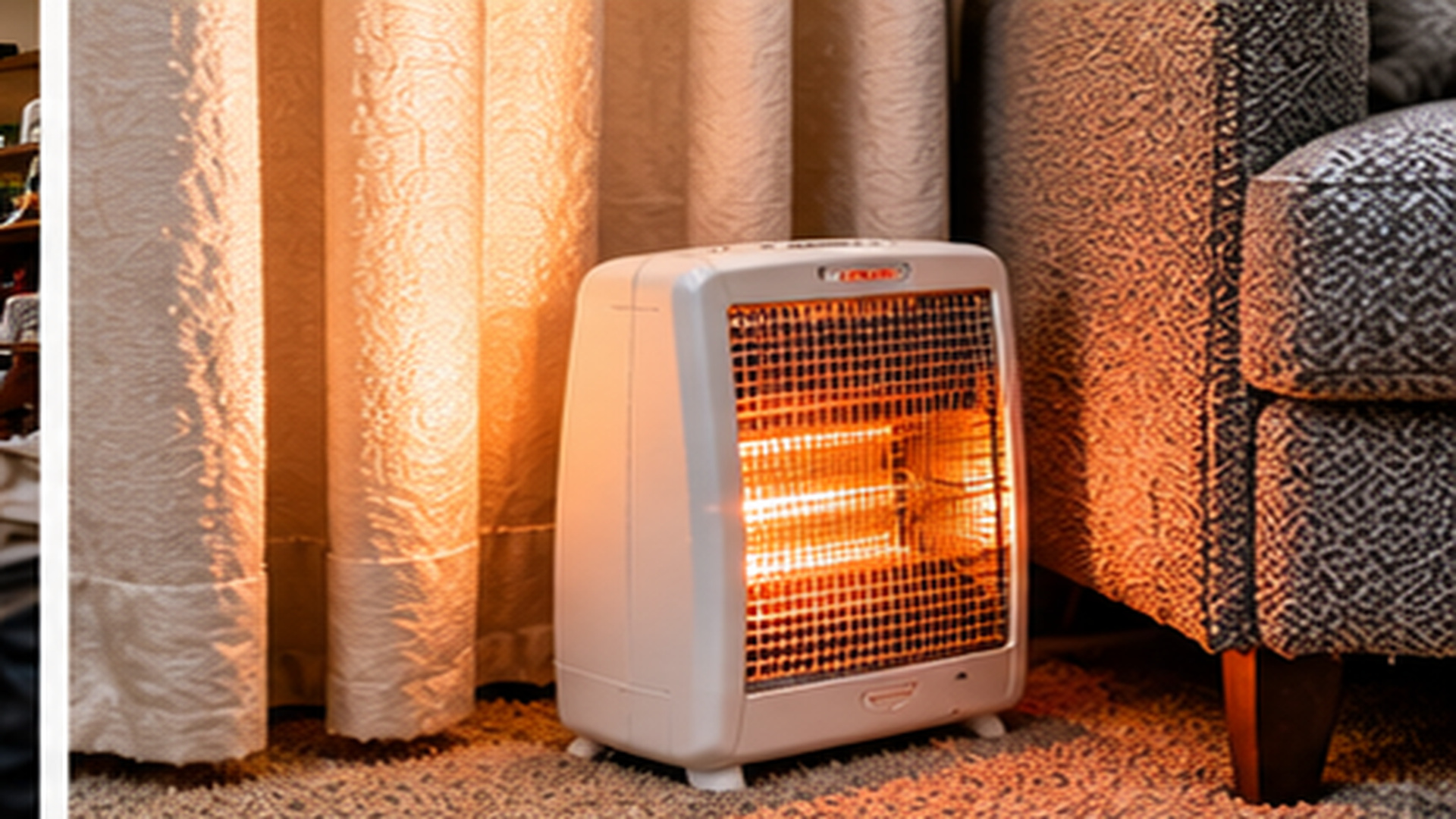
When the weather turns cold, many of us reach for a portable heater. They are quick, cheap and easy to move around. But they are also a common cause of house fires. Most of these fires can be avoided with a few simple habits.
Why portable heaters cause fires
A portable heater works by making something very hot. If anything that can burn is too close, it can catch light. The most common problems are:
- Heaters too close to things. Curtains, bedding, sofas, clothes and paper can all catch fire. Fire services advise keeping at least one metre of space around a heater.
- Drying clothes on a heater. This is a common cause of fires. It also adds damp to the room.
- Faulty or old heaters. Frayed cables, loose plugs and damaged parts can overheat.
- Overloaded sockets. Heaters use a lot of power. Plugging one into a long extension lead or sharing a socket with other items can make the lead overheat.
- Leaving a heater on. Fires often start when a heater runs overnight or while no one is home.
- Heaters knocked over. A heater that falls on carpet can start a fire fast.
Our guide to which appliance causes the most house fires shows how common heating and cooking equipment are in home fires.
Types of heater and their risks
- Electric fan and oil-filled heaters. These are safer when used well, but still need space and a good socket.
- Radiant and halogen heaters. These have a very hot element, so keep them well away from anything that burns.
- Gas and paraffin heaters. These add the risk of carbon monoxide. Always use them with fresh air in the room and fit a carbon monoxide alarm.
Simple safety rules
- Keep heaters at least one metre away from furniture, curtains and bedding.
- Plug heaters straight into a wall socket, not an extension lead.
- Never cover a heater or dry clothes on it.
- Turn it off when you leave the room, go to bed or leave the house.
- Choose a heater with a tip-over switch and an overheat cut-out.
- Check the plug and cable for damage before each season. Replace the heater if you find any.
- Place it on a flat, hard surface, not on a thick rug.
- Keep children and pets away from it.
- Fit working smoke alarms on every floor and test them each month.
What to do if a fire starts
Get everyone out. Stay out and call 999. Do not go back inside for belongings, and do not try to fight a growing fire. If a small fire starts and it is safe, switch the heater off at the wall. Never throw water on an electrical fire.
After a fire
Even a small fire leaves soot, smoke and a strong smell behind. Smoke can spread through the whole property and stain walls, ceilings and belongings. Firefighting water can also cause damage. Our fire damage cleaning team removes soot and smoke residue and treats damage safely. We also offer smoke damage cleaning and fire and smoke odour removal.
If you want to know what happens next, read who cleans up after a house fire? and how to clean up after a fire.
Had a fire at home or work?
ICE Cleaning works day and night, 365 days a year, with a team on site within hours in an emergency. Call us on 0208 066 0360 or email contactus@icecleaning.co.uk.

Speak with me today,
I’m here to help
By asking you a few questions either via phone or email I can immediately provide a realistic estimation of the cost.

Why choose us?
- Cater to a wide variety of cleaning situations
- Nationwide coverage, available 24/7
- Cater to commercial and domestic clients
- Free survey provided prior to quotation
- Emergency response team
- Offer a bespoke service designed to suit all your needs
- All technicians hold professional health and safety qualifications, including BICSc, IOSH, Dewpoint Professional & Safe Contractor
We’re fully accredited
We place best practise, professional expertise and health and safety at the core of our business. We’re fully compliant with all legal obligations. You can view a list of our accreditations below, or visit our Health & Safety page for more information.