-RGB-small.1707319151.jpg)
Why Does Damp Get Worse In Autumn?
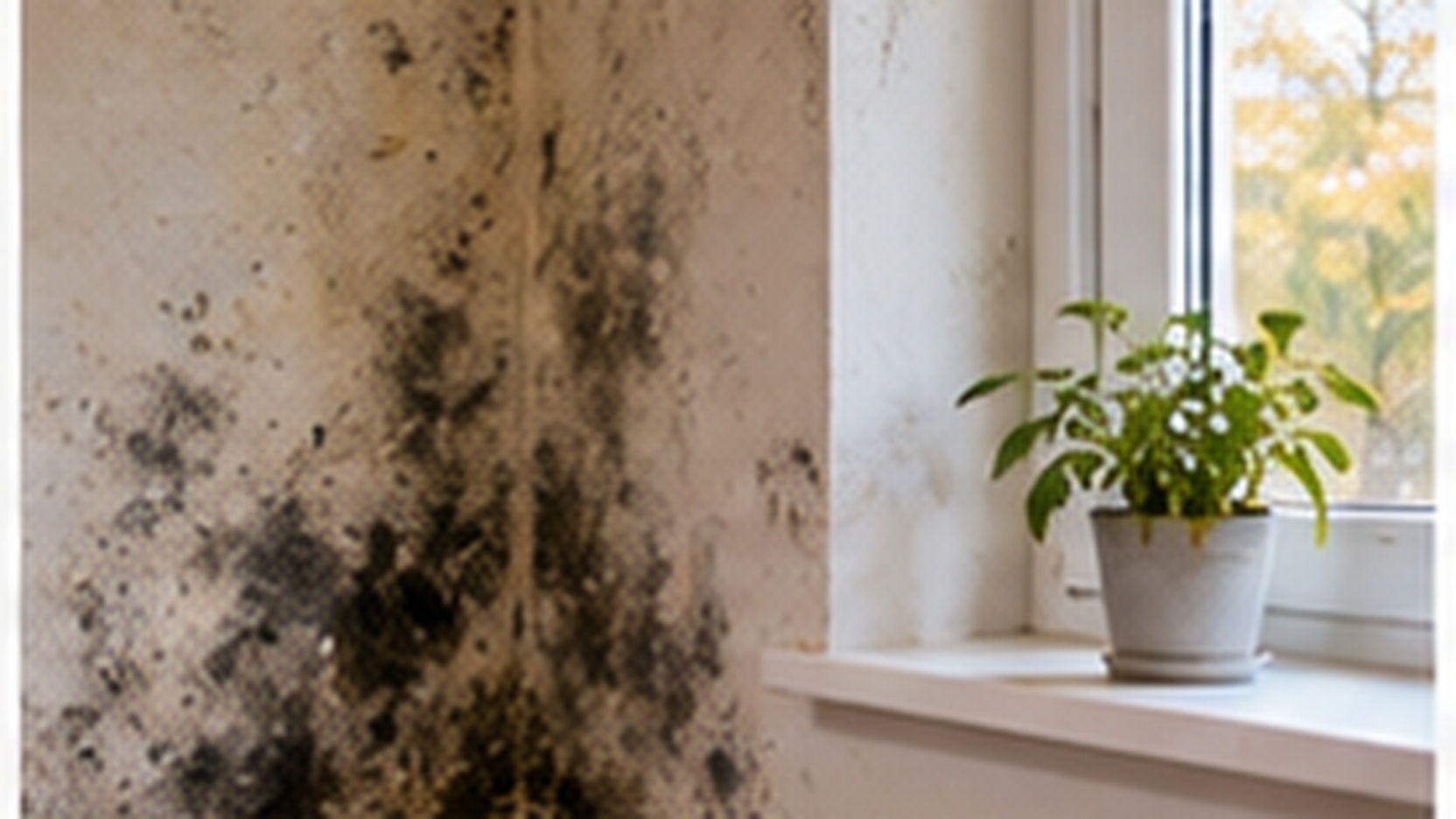
If damp patches, musty smells or streaming windows seem to appear out of nowhere every autumn, it's not a coincidence. The season creates the exact conditions damp needs to take hold, and if it's not addressed, it often develops into mould before winter's even properly begun.
Damp isn't caused by autumn itself, but the changes in temperature, humidity and daily habits that come with it make existing issues far more noticeable, and create new ones.
Below, we'll cover why autumn makes damp worse, the different types of damp to look out for, and what to do about it before it escalates.
Need help right now? Call us on 0208 066 0360 — we offer damp treatment and mould remediation for homes and businesses.
Why autumn is peak damp season
A few seasonal changes combine to make damp more likely:
- Bigger temperature swings — warm indoor air meeting increasingly cold surfaces creates more condensation
- Increased humidity — damper outdoor air makes it harder for moisture to escape from inside your home
- Less natural ventilation — windows get opened less often as temperatures drop, trapping moist air indoors
- More moisture-generating habits — heating comes on, windows stay shut, and drying laundry indoors becomes more common
- Heavy autumn rainfall — increases the risk of penetrating damp through walls, roofs and guttering
The different types of damp
Not all damp is the same, and the cause affects the fix:
- Condensation damp — caused by warm, moist air meeting cold surfaces, most common around windows and in poorly ventilated rooms
- Penetrating damp — water entering through walls, roofs or window frames, often linked to damaged guttering, render or roofing
- Rising damp — moisture moving up through walls from the ground, usually affecting older properties without an effective damp-proof course
- Trapped damp — moisture building up in enclosed, poorly ventilated spaces like cupboards, under floors or behind furniture pushed against external walls
Identifying which type you're dealing with matters, since treating condensation as if it were penetrating damp (or vice versa) won't solve the underlying problem.
Signs damp is building up
- Musty smells, particularly in bedrooms, bathrooms or enclosed spaces
- Damp patches on walls or ceilings, sometimes with a tide mark
- Peeling paint or wallpaper
- Black mould spots, especially around windows, in corners, or behind furniture
- Condensation regularly forming on windows or cold surfaces
Why it's worth acting before it turns into mould
Damp left untreated over autumn and winter tends to develop into mould, which brings its own problems:
- Health risks, particularly for those with asthma or respiratory conditions
- Damage to plaster, paint, wallpaper and furnishings
- Persistent musty smells that get harder to remove over time
- Structural issues if penetrating or rising damp isn't addressed at the source
What to do about damp this autumn
- Identify the type of damp you're dealing with — this determines whether the fix is ventilation, repair, or professional treatment
- Improve ventilation where you can — use extractor fans, open windows briefly, and avoid drying laundry on radiators
- Check external causes — guttering, roofing and render should be checked for damage that could let water in
- Treat mould early if it's already appeared — small, surface-level mould can sometimes be managed, but recurring or spreading mould needs professional attention
- Get a professional assessment if the cause isn't obvious — persistent damp with no clear source is best diagnosed properly, rather than guessed at
Our mould remediation service covers both treatment of existing damp and mould, and identifying the underlying cause so it doesn't keep coming back.
Contact us today
ICE Cleaning provides damp treatment and mould remediation for homes and businesses across the UK, tackling both the symptoms and the cause.
To book an assessment or ask a question, contact our team on 0208 066 0360 or contactus@icecleaning.co.uk

Speak with me today,
I’m here to help
By asking you a few questions either via phone or email I can immediately provide a realistic estimation of the cost.

Why choose us?
- Cater to a wide variety of cleaning situations
- Nationwide coverage, available 24/7
- Cater to commercial and domestic clients
- Free survey provided prior to quotation
- Emergency response team
- Offer a bespoke service designed to suit all your needs
- All technicians hold professional health and safety qualifications, including BICSc, IOSH, Dewpoint Professional & Safe Contractor
We’re fully accredited
We place best practise, professional expertise and health and safety at the core of our business. We’re fully compliant with all legal obligations. You can view a list of our accreditations below, or visit our Health & Safety page for more information.