-RGB-small.1707319151.jpg)
What Causes Condensation On Windows And How To Stop It?
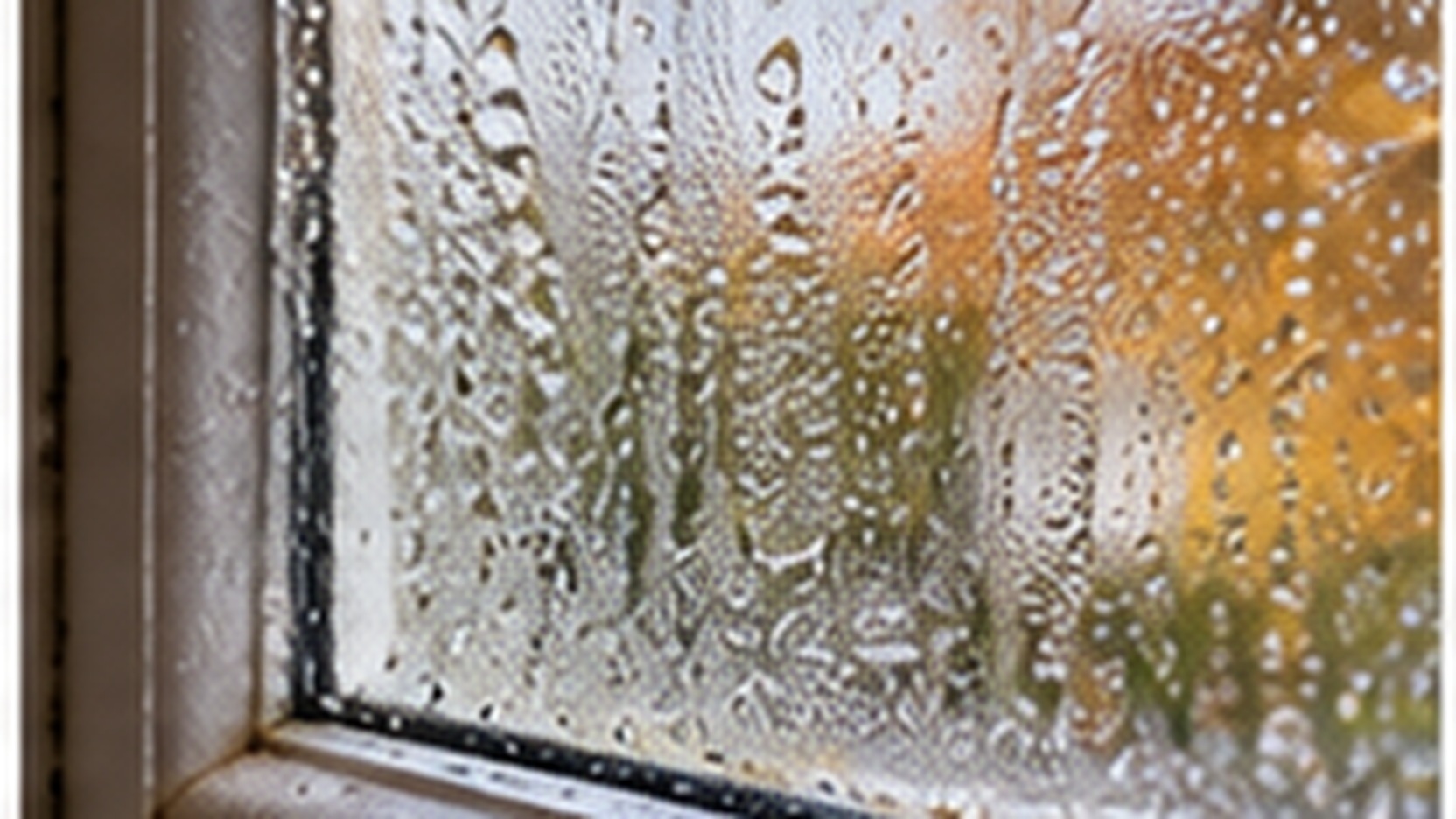
If your windows are streaming with water every morning, you're seeing one of the clearest signs that autumn and winter have arrived. Condensation is common at this time of year, but left unchecked, it can quickly lead to mould.
Condensation happens when warm, moist air meets a cold surface, like a window pane, and the moisture in the air turns back into liquid. It's more noticeable in autumn and winter because the temperature difference between indoor air and cold glass is greater.
Below, we'll cover why condensation happens, why it's worth taking seriously, and practical steps to reduce it in your home.
Need help right now? Call us on 0208 066 0360 — we offer mould remediation and damp treatment for homes and businesses.
What actually causes condensation?
Condensation is caused by warm, moist air cooling down quickly when it touches a cold surface. In most homes, that moisture comes from everyday activities:
- Cooking, especially boiling water without a lid or extractor fan
- Showering and bathing without adequate ventilation
- Drying laundry indoors, particularly on radiators
- Breathing and sweating overnight in bedrooms
- Poor ventilation, which traps moist air inside rather than letting it escape
Older or single-glazed windows are more prone to condensation because the glass gets colder than double or triple glazing, making it easier for moisture to form.
Why condensation matters (and what happens if it's ignored)
A bit of condensation on a cold morning might seem harmless, but persistent condensation causes real problems over time:
- Black mould growth around window frames and sills
- Damage to window frames, particularly wooden ones
- Damp patches spreading to nearby walls and plaster
- Musty smells building up in affected rooms
- Potential health issues from prolonged mould exposure, especially for those with asthma or allergies
Condensation is often the early warning sign. Mould is usually what follows if it's left untreated.
Where condensation is most likely to appear
Some parts of your home are naturally more prone to condensation than others:
- Bedrooms, especially where windows are kept closed overnight
- Bathrooms, due to steam from showers and baths
- Kitchens, particularly around windows near the cooker
- North-facing rooms, which stay colder and get less direct sunlight
- Corners and window frames, where air circulation is naturally reduced
If you notice condensation consistently forming in the same spot, that area is worth prioritising when it comes to ventilation and heating.
How to reduce condensation in your home
A few consistent changes can make a real difference:
- Ventilate while cooking and showering — use extractor fans, or open a window briefly, to let moist air escape rather than settle
- Keep a consistent, low background heat — cold surfaces attract condensation more than warm ones, so avoid letting rooms get too cold
- Dry laundry outside or in a ventilated space — drying clothes on radiators releases a lot of moisture into the air
- Open windows briefly each day — even five to ten minutes of airflow helps moist air escape
- Wipe down windows in the morning — removing overnight condensation before it has time to sit and encourage mould growth
When condensation has already led to mould
If you're already seeing black spots forming around your windows or frames, wiping condensation alone won't be enough.
- Small, surface-level mould can sometimes be treated with appropriate cleaning products, provided it's caught early
- Recurring mould in the same spot usually means the underlying ventilation or heating issue hasn't been addressed
- Mould spreading to walls, plaster or fabric should be treated professionally, as DIY cleaning can spread spores rather than remove them
- Anyone in the household with asthma or respiratory issues should avoid handling mould directly
Tip: if mould keeps coming back despite regular cleaning, that's usually a sign it's a ventilation or damp issue, not a cleaning one.
Getting professional help
If condensation has already turned into a mould problem, or you want to understand why it keeps happening in a particular room, a professional assessment can identify the cause rather than just treating the symptoms. Our mould remediation service covers both the treatment of existing mould and advice on preventing it from returning.
Contact us today
ICE Cleaning provides mould remediation and damp treatment for homes and businesses across the UK, helping tackle both existing mould and the root cause behind it.
To book an assessment or ask a question, contact our team on 0208 066 0360 or contactus@icecleaning.co.uk

Speak with me today,
I’m here to help
By asking you a few questions either via phone or email I can immediately provide a realistic estimation of the cost.

Why choose us?
- Cater to a wide variety of cleaning situations
- Nationwide coverage, available 24/7
- Cater to commercial and domestic clients
- Free survey provided prior to quotation
- Emergency response team
- Offer a bespoke service designed to suit all your needs
- All technicians hold professional health and safety qualifications, including BICSc, IOSH, Dewpoint Professional & Safe Contractor
We’re fully accredited
We place best practise, professional expertise and health and safety at the core of our business. We’re fully compliant with all legal obligations. You can view a list of our accreditations below, or visit our Health & Safety page for more information.