What Temperature Kills Mould?
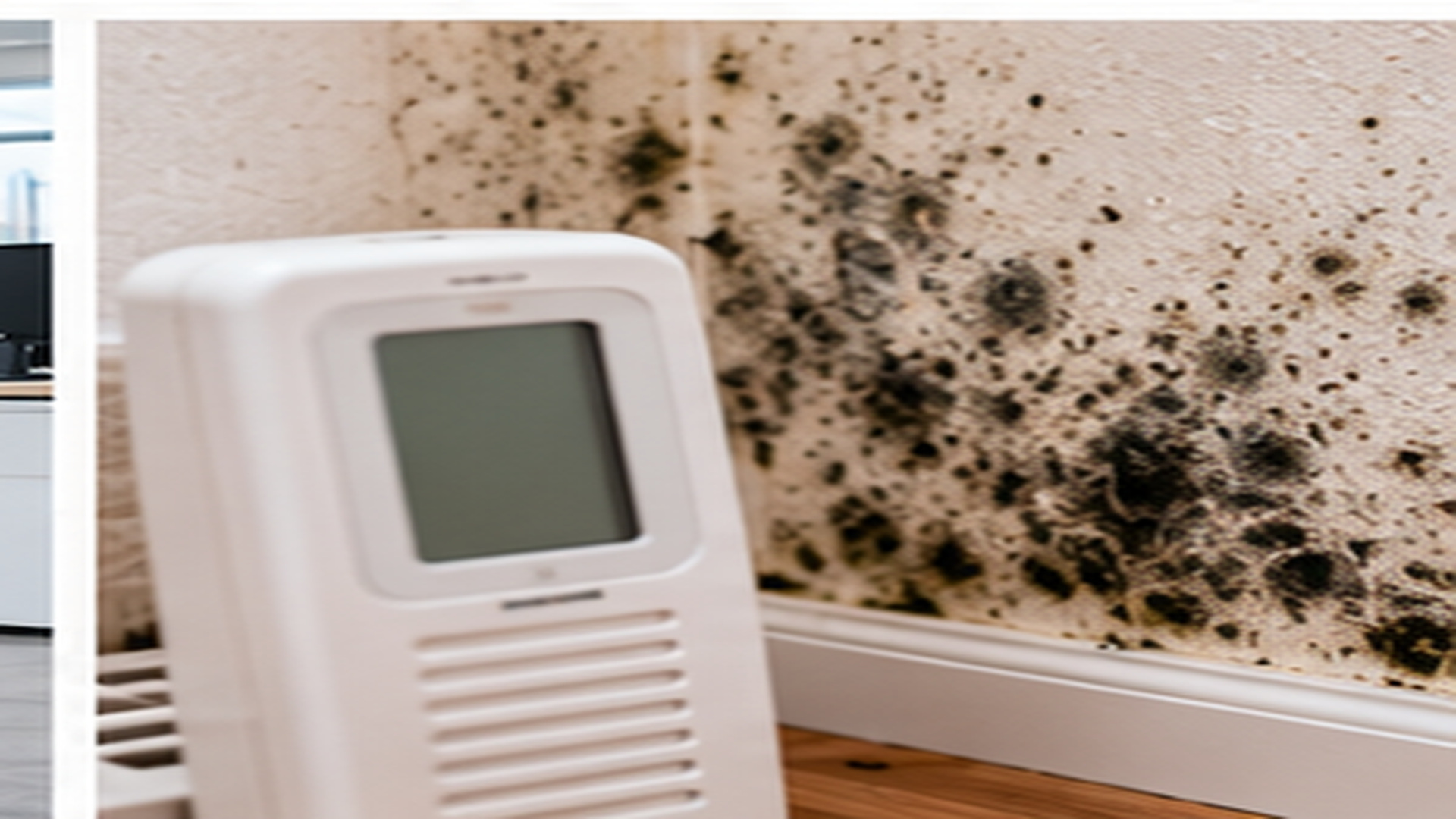
Many people ask if they can kill mould with heat or cold. It is a fair question. Mould needs the right conditions to grow, so changing the temperature sounds like an easy fix. The short answer is that heat can kill some mould, but not in a way that works in your home. Here is what you need to know.
The short answer
Most common household moulds die when they are kept at around 60°C or higher for a period of time. Cold does not kill mould. Freezing temperatures make it dormant, which means it goes to sleep and can wake up when conditions improve.
These are rough figures. Different moulds react differently, and some spores are tougher than others.
What temperature does mould like?
Mould grows best in warm, damp places. Most household mould grows between about 20°C and 30°C. That is a normal room temperature, which is why homes are such good places for it. It can also grow in cooler spots, even in a fridge, and slowly in cold, damp rooms. Moisture is the biggest factor, more than temperature. Mould needs humidity above about 60% or a damp surface to take hold. Read how fast can mould grow? to see how quickly it can spread.
Can heat kill mould in your home?
Not safely. To reach 60°C you would need to heat a surface far beyond what is safe or sensible indoors. Your walls would not hold that temperature, and heating a room that high would be dangerous and could damage the building.
Turning up the heating does help in one way. Warm air holds more moisture, so a warmer room is less likely to get condensation, as long as it is ventilated. This slows mould but does not remove what is already there.
Does cold kill mould?
No. Freezing does not kill mould. It only stops it growing for a while. Once things warm up and become damp again, the mould can return. That is why mould often seems worse after a cold snap, when the house warms up and condensation appears. Our article on why damp gets worse in autumn explains the cycle.
Where heat does work
- Washing machines. A hot wash at 60°C can kill mould on many fabrics. Check the care label first.
- Professional equipment. Specialist teams use methods such as controlled drying, HEPA vacuums and specialist cleaning systems. We do not rely on heat alone.
Dead mould can still cause problems
Even if mould is killed, the dead mould and its spores can still cause allergic reactions, coughs and irritation. It also leaves stains. That is why mould has to be removed, not just killed. Read what kills mould on walls and does bleach make mould worse? for safe cleaning options.
What works instead
- Fix the moisture. Repair leaks, stop condensation and improve ventilation.
- Keep humidity under 60%. Use a dehumidifier and a cheap humidity meter.
- Clean small patches the right way. Wear a mask and gloves, use a damp cloth with detergent or a mould remover, and dry the area well.
- Get help for bigger problems. If mould covers a large area, keeps coming back, or you are worried about health, call a specialist.
How ICE Cleaning can help
Our team starts with a damp and moisture survey to find the cause. We then carry out mould remediation to remove the mould safely and treat the area. We can also help with black mould removal and condensation and mould. If you want proof of what is in the air, we offer mould testing and air sampling.
Got mould you cannot shift?
ICE Cleaning works across the UK, day and night, 365 days a year. Call us on 0203 826 8135 or email contactus@icecleaning.co.uk to book an assessment.

Why choose us?
- Cater to a wide variety of cleaning situations
- Nationwide coverage, available 24/7
- Cater to commercial and domestic clients
- Free survey provided prior to quotation
- Emergency response team
- Offer a bespoke service designed to suit all your needs
- All technicians hold professional health and safety qualifications, including BICSc, IOSH, Dewpoint Professional & Safe Contractor
We’re fully accredited
We place best practise, professional expertise and health and safety at the core of our business. We’re fully compliant with all legal obligations. You can view a list of our accreditations below, or visit our Health & Safety page for more information.